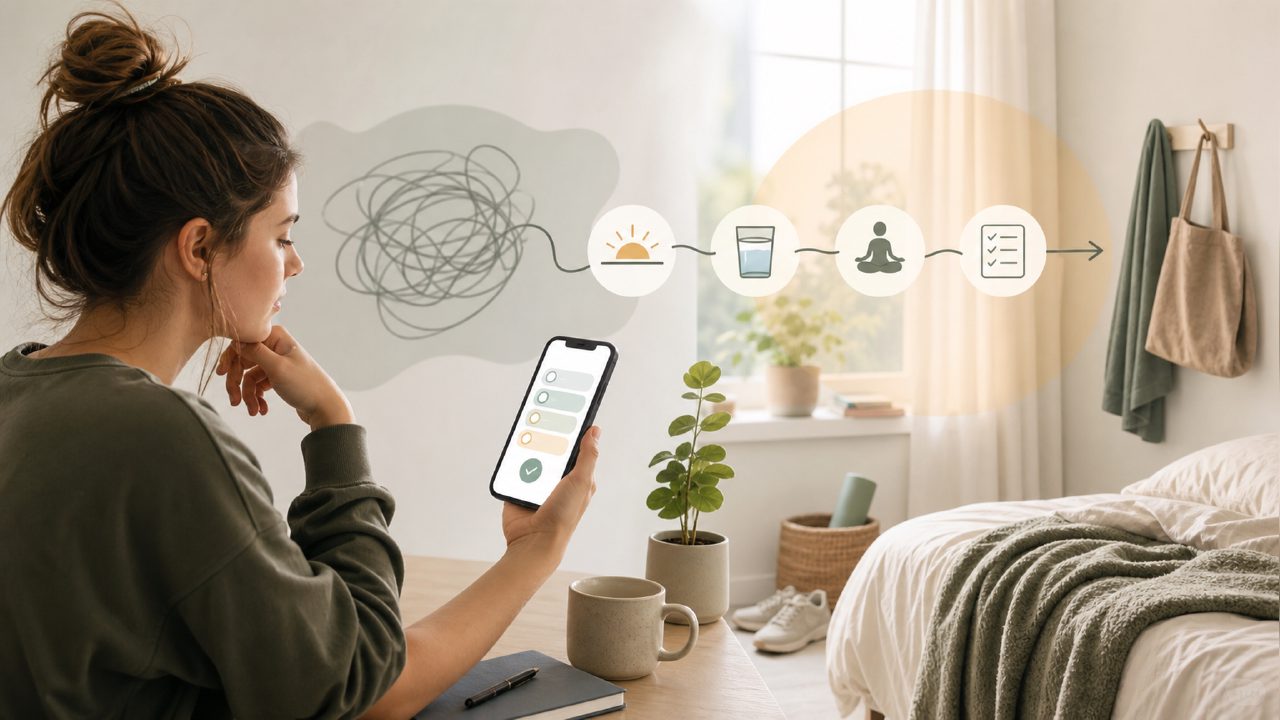
I’ve been trying to build a consistent morning routine for years. With ADHD, it’s not just about motivation – it’s about remembering what I was supposed to do in the first place, and then actually doing it before the next distraction shows up. So when I came across habitly (the app, not the generic habit concept), I figured I’d give it a real test: a two-week experiment using it as my ADHD habit tracker for a single, measurable goal – taking my medication within 30 minutes of waking up.
Here’s what the walkthrough actually looked like, complete with the small wins and the small frustrations.
Setting up the first habit – what worked and what didn’t
The app’s onboarding is minimal. You pick a habit name, frequency, and a reminder time. I set “Take morning meds” for daily, with a notification at 8 am. No fancy categories, no long questions about your life goals – just start. That simplicity is crucial for an ADHD brain. Analysis paralysis is real, and habitly doesn’t feed it.
But here’s where I hit the first friction: you can only set one reminder time per habit. If I sleep in, the 8 am notification is already dismissed and gone. I wished I could set a second reminder, say 30 minutes later. That’s a missing feature that makes the app feel a little incomplete for the scattered rhythm of ADHD mornings.
The streak mechanic – motivating but tricky
After three consecutive days of checking in, I got a “3‑day streak” notification. That dopamine hit is real. The app shows a simple calendar view with coloured dots. For someone with ADHD habit inconsistency, seeing a solid row of green dots is surprisingly satisfying. It helped me remember to actually open the app and tap confirm, rather than just thinking “I did it” and moving on.
However – and this is the cautious part – once I missed a day (by literally forgetting to tap the checkbox before midnight), the streak reset. The guilt felt disproportionate. For a moment I didn’t even want to open the app the next morning. If you’re prone to all-or-nothing thinking, the streak reset can discourage you instead of motivate you. The app doesn’t have a “grace” mode or a way to mark a day as “intentionally skipped”. That tradeoff is worth knowing before you rely on it.
Notifications and the “out of sight, out of mind” problem
ADHD is notorious for “out of sight, out of mind”. The push reminder from habitly helped, but only if I acted on it immediately. The notification itself is simple text – no sounds or persistent banners I could configure. I found myself tapping “done” and then getting distracted before actually taking the meds. The app assumes that checking it off equals completing the task, but the two aren’t always the same.
On the plus side, the widget option (on my phone’s home screen) was more effective than the notification. Seeing “Take meds – not done” every time I unlocked my phone nudged me better than a push alert that I could dismiss in half a second.
How it compares to other tools I’ve tried
I’ve used generic to‑do apps, paper journals, and even the free ai habit building app 2026 hype that floats around productivity forums. Many of those apps demand you define complex routines or provide coaching feedback. Habitly doesn’t do that. It’s more like an AI habit tracker with reminders that learns nothing – which is actually fine for a concrete scenario. I didn’t need an AI telling me “try a shorter habit” when I already knew my goal. I just needed a clear place to log and look.
But is it the best AI habit tracker 2026? No, because it barely uses AI. If you expect predictive suggestions or smart scheduling, you’ll be disappointed. The app is essentially a streak tracker with reminders and a clean interface. For my specific ADHD habit scenario, that was enough. For someone who needs more structure or adaptive scheduling, it might feel too basic.
Final realistic take
After two weeks, I’m still using habitly, but I also set a phone alarm as a backup. The app helped me go from remembering to take my meds about three times a week to six times. That’s real improvement. The friction is there – the single reminder, the rigid streak, the assumption that check‑in = completion – but it’s not a dealbreaker. If you have ADHD and want something that doesn’t demand a lot of setup or mental energy, habitly is worth a try. Just don’t expect it to adapt to your chaos. You’ll still have to meet it halfway.
Comments
Leave a Comment