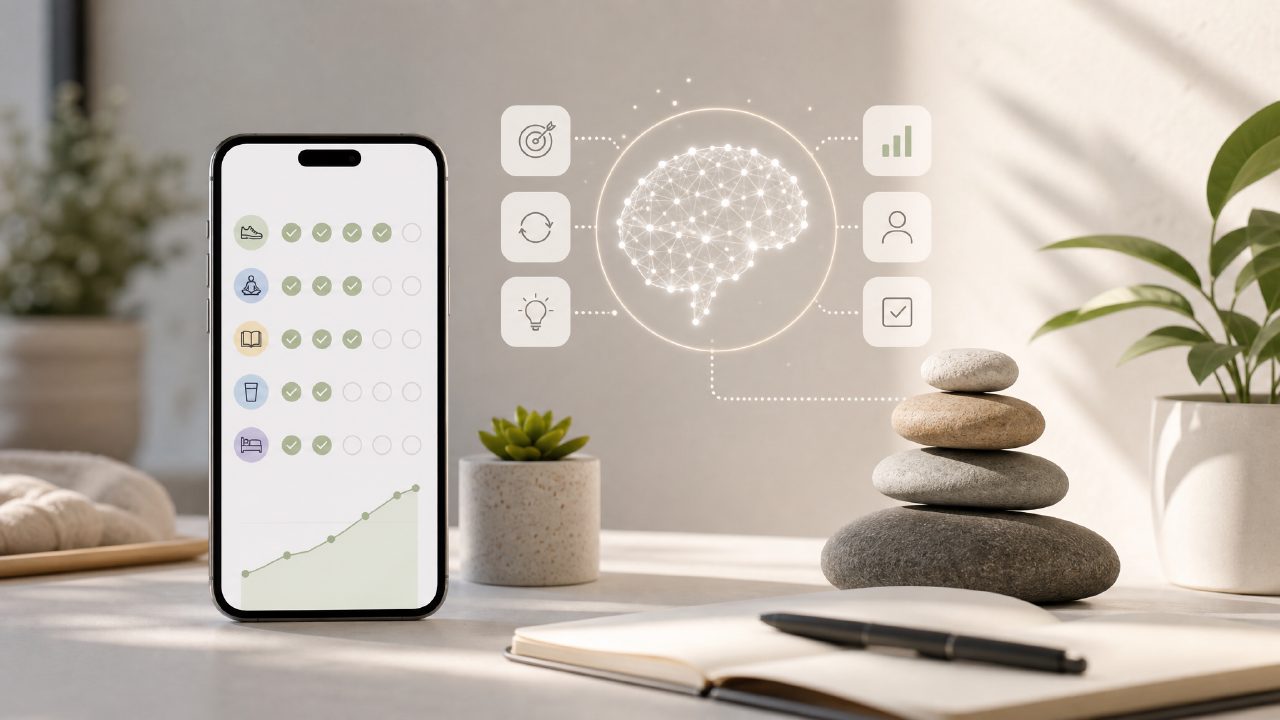
I’ve been testing habit trackers for a while now, trying to find one that actually supports the atomic habits approach—focusing on small systems, not just ticking boxes. I wanted something that would reinforce the idea of building identity-based habits, not just chasing streaks for the sake of it. That’s what led me to try Habitly, a free AI habit tracker that claims to help you build routines and stay consistent. Here’s what I found after using it for about three weeks.
Does Habitly align with atomic habits principles?
The short answer is: mostly, with a few caveats. Atomic habits emphasizes designing your environment and making habits obvious, attractive, easy, and satisfying. Habitly handles the “satisfying” part well—tracking streaks and giving you a visual record of progress. But it’s less effective on the “environment” side, which is more about physical cues than an app notification.
What worked well in practice
The AI suggestions were the biggest surprise. After I logged a few habits—morning reading, 10-minute stretch, drinking water—the app started suggesting small adjustments, like pairing my reading habit with a specific chair in my apartment. That’s straight out of atomic habits (habit stacking, cue- based routines). It wasn’t mind‑blowing, but it showed the app was paying attention.
Streak tracking is solid. I missed one day and the app didn’t punish me with a broken chain—you can skip days without losing your history. That aligns with the “don’t break the chain” spirit without being rigid. I liked that it didn’t guilt-trip me.
Where it falls a bit short
Habitly AI habit tracker feels promising but incomplete. The AI occasionally suggested habits that didn’t fit my goals—like “walk 10,000 steps” when I’d already logged a gym session. It’s not a dealbreaker, but you have to curate the suggestions manually or they can clutter your routine.
The free tier is generous, but if you want advanced analytics or more than three custom habit categories, you’ll hit a paywall. For a best free AI habit tracker, it’s still competitive, but I’d call it “best for casual users” rather than power trackers.
One friction point
Onboarding was a bit pushy. The app asked me to set five habits at once and then immediately suggested a 7-day challenge. I just wanted to start small—one habit, no extra pressure. That felt contrary to the “atomic” philosophy, which says to start tiny. I had to ignore the challenge pop‑up and manually delete some habits. Not a huge issue, but worth noting for anyone who prefers a minimalist start.
Who should consider it?
If you’re already familiar with atomic habits and want a digital backbone for streak tracking and occasional habit‑stacking suggestions, Habitly is a solid choice. It’s especially useful for students or professionals balancing study, focus, and personal growth. But if you want deep habit‑design guidance (environment, implementation intentions), you might still need the book alongside the app.
Also, if you’re looking for a free ai habit tracker app 2026 that won’t ask you to upgrade every week, this one is manageable—just don’t expect the AI to replace your own judgment.
In terms of search intent: people searching for “atomic habits” likely want practical methods, not just app recommendations. Habitly supports those methods reasonably well, but it’s a tool, not a substitute for understanding the system yourself.
Final thoughts
I’m still using Habitly after three weeks, which is more than I can say for most habit trackers. It helped me stay consistent with reading and a short evening stretch. The AI is a nice extra, but the core value is the streaks and the simple log. If you’re set on atomic habits, this app can reinforce the routine side—just don’t expect it to design your system for you. Give it a try, but start with one habit and ignore the onboarding noise.
Comments
Leave a Comment