You know the feeling. You open your phone to check one thing—a message, a notification—and twenty minutes later you’re watching a video about how to organize a garage you don’t even have. The day slips away, and by evening you’re left wondering where the time went. Slacking off isn’t a lack of ambition; it’s a system problem.
Stop Slacking Off: Focusly and Habitly Help You Stay on Track All Day isn’t just a catchy headline. It’s a practical pairing for anyone who’s tried and failed to stick with a routine or stay focused without a constant digital nudge. Both tools target different parts of the same problem: Focusly handles the moment-to-moment attention, while Habitly builds the long-term structure.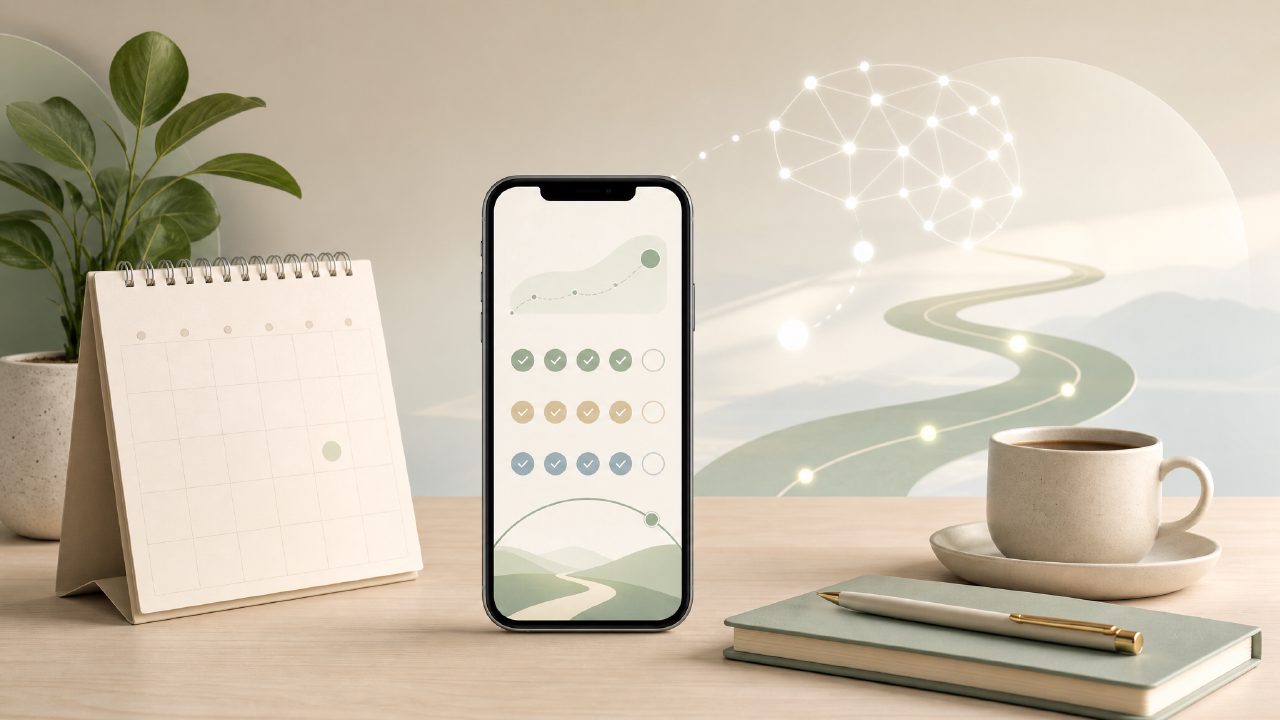
How Focusly keeps you in the zone
Focusly is basically a timer with teeth. It uses the Pomodoro technique—25 minutes of work, 5 minutes of break—but it also blocks distracting apps during those work intervals. I’ve tested a few focus timers, and most let you bypass the block with a single tap. Focusly doesn’t. You really have to close the session or wait. That extra friction made a difference for me when I was writing a report and my thumb kept drifting to Twitter.
The interface is minimal, which I appreciate. No gamification, no leaderboards, no “keep your streak alive” pressure. Just a timer and a lock. That simplicity is a tradeoff: if you need social accountability or fancy stats, this isn’t it. But if you just need to sit down and work, Focusly does the job without selling you motivation.
Habitly builds the bigger picture
Where Focusly is tactical, Habitly is strategic. It helps you define routines—morning, evening, work break—and track your streaks. I set up a simple afternoon routine: stretch for two minutes, drink water, review my task list. The app sends a reminder, and once I check it off, the streak ticks up. That feels good, but the real value is visual. Seeing a 14-day streak makes me hesitate before skipping.
One thing I noticed: Habitly works best when you start small. I tried adding five habits at once and abandoned them within a week. When I focused on just two—a 10-minute morning stretch and a nightly journal entry—the streak held. The app doesn’t scold you for missed days, which I prefer over guilt-tripping designs. It just resets the count, and you start again.
Where the two overlap and diverge
If you only use Focusly, you’re great at staying in focus sessions but might drift outside them. If you only use Habitly, you have routines but no real ability to execute them without distraction. Together, they cover the gaps. For example, I use Habitly to schedule a focused work block in my afternoon routine, then launch Focusly to actually do it.
That synergy is the main reason to consider both. But it’s not for everyone. If you already have a strong system—say, a bullet journal and app blockers on your laptop—you don’t need either. And if you hate checking your phone during work hours, Focusly’s distraction block might clash because it runs on the same device you’re trying to put down.
Tradeoffs and realistic concerns
The biggest downside: both apps require you to start the timer or check in. They won’t magically make you stop slacking off if you’re feeling truly unmotivated. On days when I really didn’t want to work, I just ignored the Focusly notification. No tool can replace willpower entirely.
Another issue is notification fatigue. With both apps sending reminders, your phone buzzes more, not less. You can adjust settings, but the initial setup takes a few minutes of deliberate tweaking. If you’re already overwhelmed by notifications, adding two more apps might backfire.
Finally, neither app is very social. If you thrive on accountability from friends or colleagues, you’ll need to supplement with a separate check-in group or co-working app.
Who actually benefits from this pairing
Stop Slacking Off: Focusly and Habitly Help You Stay on Track All Day works best for people who know what they should be doing but struggle with when and how. You’re not looking for inspiration; you’re looking for a reliable structure that interrupts your autopilot.
It’s also good if you’re willing to experiment. I tweaked my Habitly routines twice before they felt natural. And I switched Focusly from 25-minute blocks to 45-minute ones because 25 felt too short for deep work. Both apps allow that flexibility, but you have to actively use it.
If you want something more passive—like a tool that automatically adjusts to your behavior—these aren’t it. They require manual input and the discipline to set them up. But once the system is running, staying on track feels less like a daily battle and more like a default.
Comments
Leave a Comment