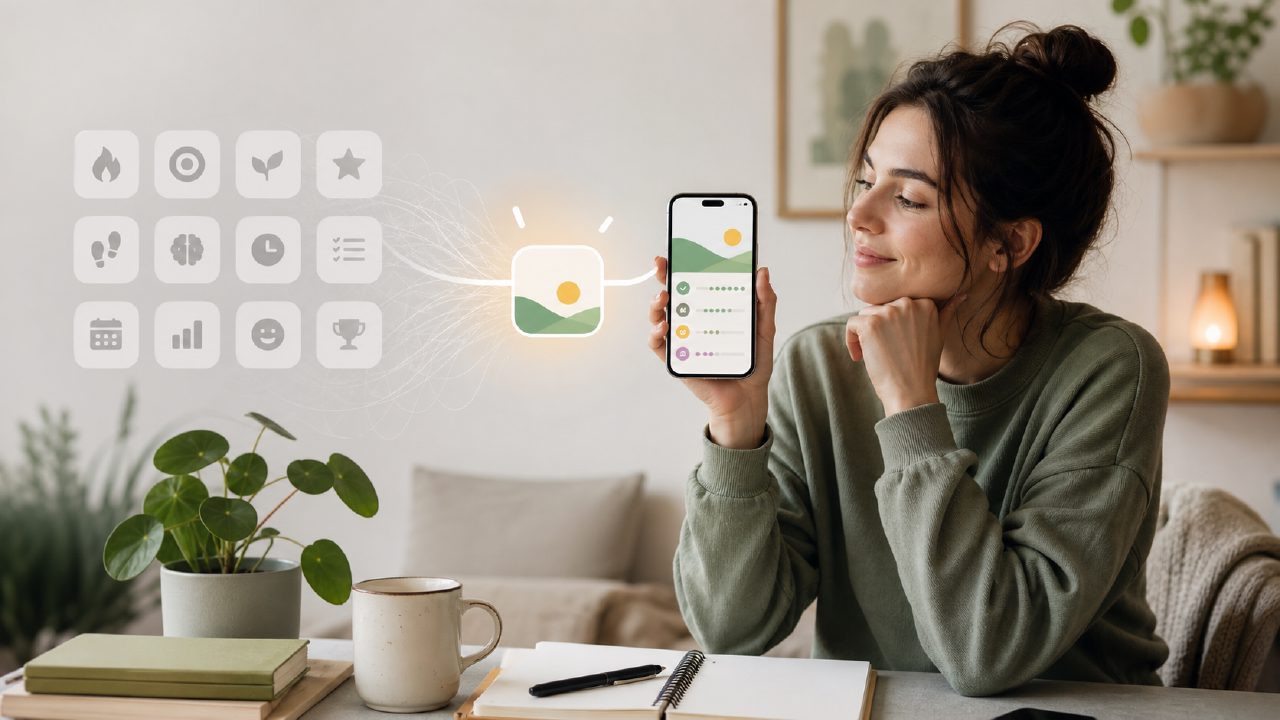
I've tried a dozen habit tracking apps over the years. Most of them work for about a week before I forget they exist. That's the ADHD habit cycle in a nutshell: big enthusiasm, then complete invisibility. So when I came across Habitly, I was skeptical. But it ended up being the one that stuck, and here's why.
Starting with the problem: what actually works for an ADHD brain?
The typical habit tracker assumes you're a disciplined person who just needs a gentle nudge. That's not the ADHD experience. The real challenge is picking the habit back up after you've already broken the streak, or even just remembering to open the app at all. I wanted to test if Habitly could handle that particular kind of chaos.
I set up three habits: drink water first thing, stretch for five minutes after lunch, and take my afternoon medication. I used the ai habit tracker with reminders feature to schedule them. The reminder system lets you record a voice note as the alert, which feels more personal than a generic ping. I recorded "hey, go drink that water" in my own voice. It sounds silly, but it worked better than any notification sound I've tried.
What surprised me during the first week
The first impression was the onboarding. It asks you to pick habits from a curated list or write your own. I appreciated that it didn't try to push ten habits at once. The suggested list for an ADHD habit setup included things like "take meds" and "get out of bed by 9am" — basic but essential stuff. I wasn't overwhelmed, which is rare for me.
The streak tracking is simple. No fancy graphs or streaks that punish you for missing a day. You can mark a habit as done even if you do it after the scheduled time. That flexibility matters. I once marked "stretch" at 10 PM because I finally remembered. The app didn't penalize me or break the streak. For someone with ADHD, that lower bar is the difference between staying consistent and giving up.
One thing I wasn't sure about: the widget. Most app widgets are cluttered. Habitly's widget on my home screen just shows today's habits and a checkmark button. I didn't have to open the app. That small friction removal made me more likely to actually follow through.
The realistic tradeoff you should know
The free tier is generous for a single routine, which makes it a viable free ai habit building app 2026 option if you only need to track a few habits. But if you want multiple routines (say, separate sets for morning, work, and evening), you'll need the paid version. I hit that wall around day four when I wanted to add a "wind down" routine. The paid plan isn't expensive, but it's worth knowing upfront.
Another limitation: the AI habit suggestions are decent but not magic. It suggested "exercise for 30 minutes" as a habit, which felt too ambitious for someone starting from zero. I ignored that one. The app learns from your completions over time, so the suggestions get better after a couple of weeks. But on day one, don't expect perfect personalization.
I also noticed that the streak tracking can backfire if you're prone to perfectionism. If I miss a day, I sometimes feel like the whole streak is ruined. Habitly lets you pause streaks or adjust the schedule, but I had to remember to use that feature. It's a human problem, not an app problem, but worth noting if you've quit other apps for the same reason.
Who should consider this for their ADHD habit setup
After two weeks, I'd recommend Habitly if you struggle with the "remember to check the app" part of habit tracking. The widget and the voice reminders genuinely reduce that barrier. It's also a solid candidate for the best ai habit tracker 2026 conversation if you value simplicity over feature bloat.
But if you need detailed analytics, habit stacking, or accountability partners baked into the app, this might feel too basic. It's designed for people who know what they want to do but need help just showing up. That's a specific use case, and it nails it.
I'm still using it. I've missed two days in the past two weeks, which is honestly better than my usual record. The app didn't make me feel bad about it, and I picked back up the next day. For an ADHD habit tool, that's the real win.
Comments
Leave a Comment