I’ve tried the whole "just do it every day for 21 days" thing. Did it work? For exactly 21 days. Then I stopped, and frankly, I felt worse for failing than I did before starting.
That’s the problem with solo habit building. No accountability, no feedback loop, and zero reason to push through when you’re tired. The search intent behind "how to build habits you’ll never quit" isn’t really about discipline. It’s about finding a system that doesn’t rely on willpower alone.
A friend of mine runs a small online study group. They tried Habitly Routines because they needed something beyond "I’ll try harder tomorrow." What actually moved the needle was the team challenge feature. Not the streaks, not the reminders — the collective stakes.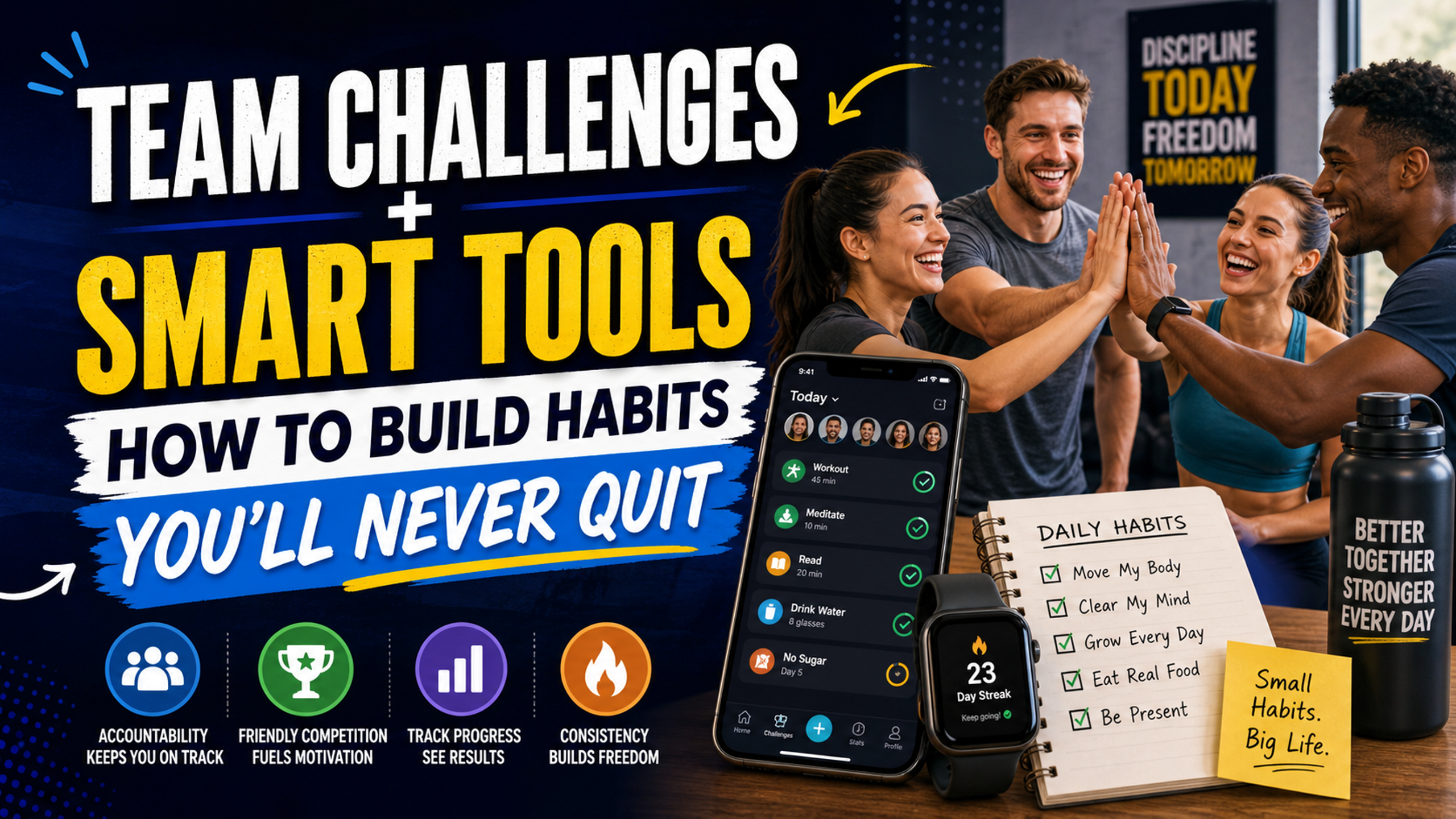
What team challenges do that solo tracking can’t
When you’re the only one who sees your streak break, it’s easy to rationalize a skip. But when a shared challenge resets for everyone because you dropped the ball? That hits differently.
In Habitly, you can create a habit challenge for your group — read for 20 minutes daily, or do one short workout. If someone misses a day, the whole team streak resets. That’s a different kind of pressure. It’s social, but not toxic. It’s built around shared goals, not comparing yourself to others.
A real scenario from my own life: I joined a writing challenge with two colleagues. We set a "write 500 words daily" habit for two weeks. By day 6, I was exhausted. But I didn’t quit because I knew I’d be the one dragging the team down. That external push was the difference.
Smart tools that make the system work
Team challenges are the motivation layer, but the product also has smart tools that handle the boring side of consistency. Automated reminders, streak tracking across different time zones, and the ability to adjust habit frequency without losing progress. These matter more than people think.
If you’re using a generic checklist app, you have to manually manage everything. Here, Habitly lets you set habits like "practice guitar every other day" and it automatically adjusts the streak logic. For a team setting, that means no one has to manually track who did what when.
There’s also the focus integration. You can pair a habit with a focus session timer. For example, a "study 1 hour" habit triggers a block timer. When the timer ends, the habit is logged. That removes the friction of remembering to check in. It sounds small, but over a month, those small frictions add up to burnout.
The tradeoff you need to be honest about
Here’s the thing: team challenges aren’t for everyone. If your group has one person who’s inconsistently motivated, the whole team’s streak can get wiped. That can become demotivating rather than encouraging. I’ve seen challenges die because the weakest link felt guilty and the strongest link felt frustrated.
Habitly seems to understand this — you can set the streak reset to "manual" or "team vote" instead of automatic. That’s a smart middle ground. But it’s worth asking yourself: do you need the pressure of collective failure, or would a simple individual streak with a friend check-in be enough?
Another practical concern: the team challenge feature works best with small, tight groups (2–6 people). Larger groups lose the personal accountability. If you’re thinking of running a habit challenge in a big class or office, this might not scale well unless you break into smaller teams.
So who actually benefits? People who’ve failed at solo habits multiple times, who know they need extrinsic structure, and who have a small group of equally motivated people. For casual use, the individual tracking and smart tools hold up fine on their own.
Comments
Leave a Comment