I’ve been trying to stick with the core ideas from Atomic Habits for a while — habits not resolutions, small daily steps instead of big leaps. But the app I used last year kept me chained to my phone for check‑ins that felt like chores. So when I heard about Habitly, I wanted to see if it could actually help me implement those atomic‑habits principles without adding another layer of friction.
What I actually noticed during the first two weeks
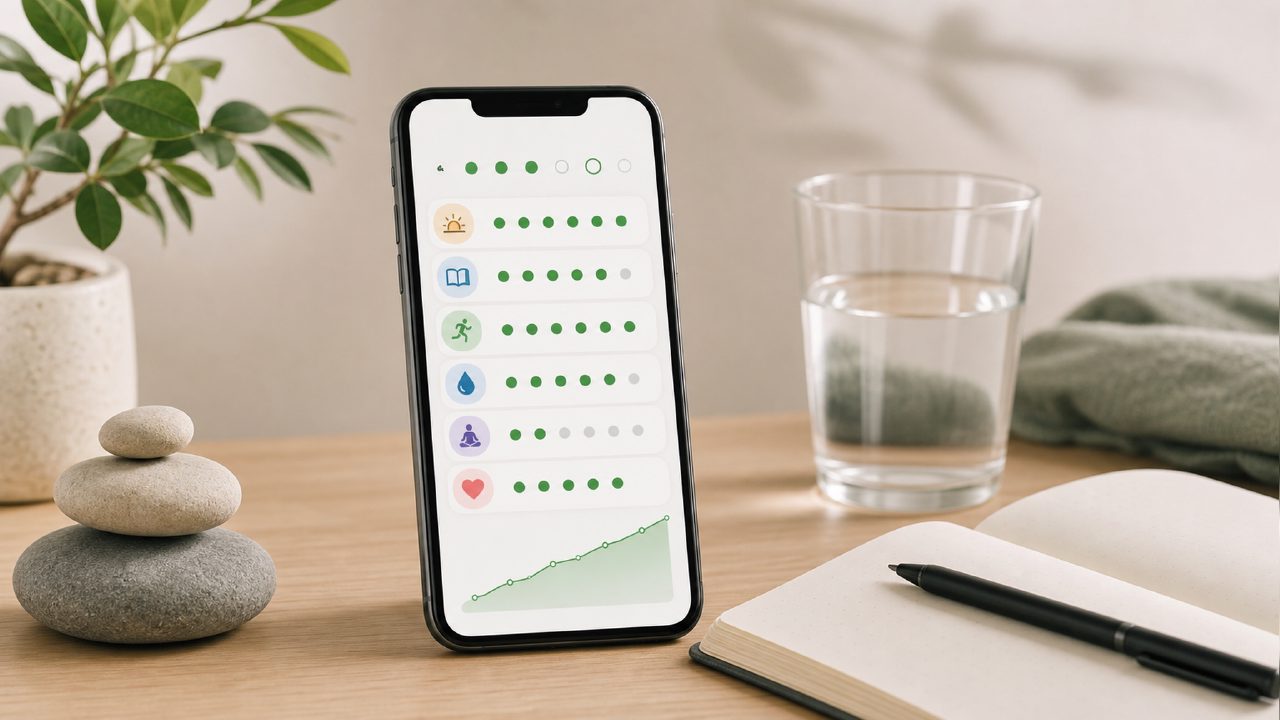
The app’s main screen is simple: a list of habits you set, each with a streak counter. I started with three habits: read 10 pages, walk 15 minutes, and drink two glasses of water before coffee. The habitly interface makes it easy to add these, and the “today” view shows exactly what’s overdue or done. No clutter. That part works.
But the streak mechanic is a double‑edged sword. When I missed one day because of a late meeting, the streak reset to zero. That felt demotivating, even though I know the “never miss twice” rule from Clear’s book. Habitly’s streak tracking is binary — you either did or you didn’t — and that punished a one‑off slip harder than I expected. A small concession (like a “miss two in a row” threshold) would make it more forgiving for people with unpredictable schedules.
The AI part: helpful but not always smart
One reason I picked Habitly was the AI habit‑tracking feature — the app claims to learn your patterns and suggest tweaks. After a week, it suggested I move my walk from “after dinner” to “before lunch” because I was consistently checking it off later. That was actually useful. The AI noticed something I hadn’t.
But the suggestions can be generic. For example, it kept prompting me to add “meditate 5 minutes” because “many users pair meditation with morning routines.” I don’t meditate, and the app didn’t pick up on that preference even after ignoring that suggestion several times. So the AI feels like a nudge, not a deep advisor. If you want a best free ai habit tracker that learns your quirks, Habitly is decent but not magical.
Where Habitly fits and where it doesn’t
Habitly really shines for simple, daily habits — the kind that James Clear calls “atomic” — where you just need a consistent nudge. The free tier gives you unlimited habits and basic streak tracking, which already covers most use cases. For students trying to study 30 minutes a day or someone working on hydration, it’s solid.
The tradeoff is that complex routines (like a five‑step evening wind‑down with different time windows) feel cramped in Habitly’s linear checklist. You can stack habits, but you can’t group them into a multi‑step flow. If you’re a power user who needs contextual triggers (“if it’s Tuesday, skip the gym habit”), you’ll bump into limits quickly.
A small persistent annoyance
The push notifications are aggressive. I missed one habit at 10 AM and got three reminders before noon. That broke my focus more than it helped. I found myself either ignoring the notifications completely or checking the habit off just to silence the app — which defeats the purpose. I wish the reminder settings had a “snooze until later” option instead of just a one‑time delay.
Is it the free ai habit tracker app 2026 I’ll keep using?
For now, yes — but with some reservations. It’s better than the over‑engineered tools I’ve tried, and the AI suggestions, while imperfect, are a genuine time‑saver for spotting pattern changes. I’m not sure I’d pay for the premium version unless they add routines or flexible streaks. But as a free tool that stays out of your way most of the time, Habitly is worth testing for anyone trying to stay consistent with small daily habits. Just don’t expect it to replace a deeper habit‑building system — it’s a tool, not a coach.
Comments
Leave a Comment