Look, I get it. You're in your twenties. You want to have fun, go out, binge Netflix, and sleep in. But you also know deep down that without some kind of routine, life becomes a chaotic mess of deadlines you missed and goals you forgot.
You don't want a rigid prison schedule. You want to enjoy life while still getting your act together. That's the real challenge—and it's what this guide is about.
I’ve been testing Habitly Routines, a habit tracker that focuses on streaks and daily consistency. The catch? It's designed for people who hate being micromanaged by their own app. Here's how to actually make it work without killing your vibe.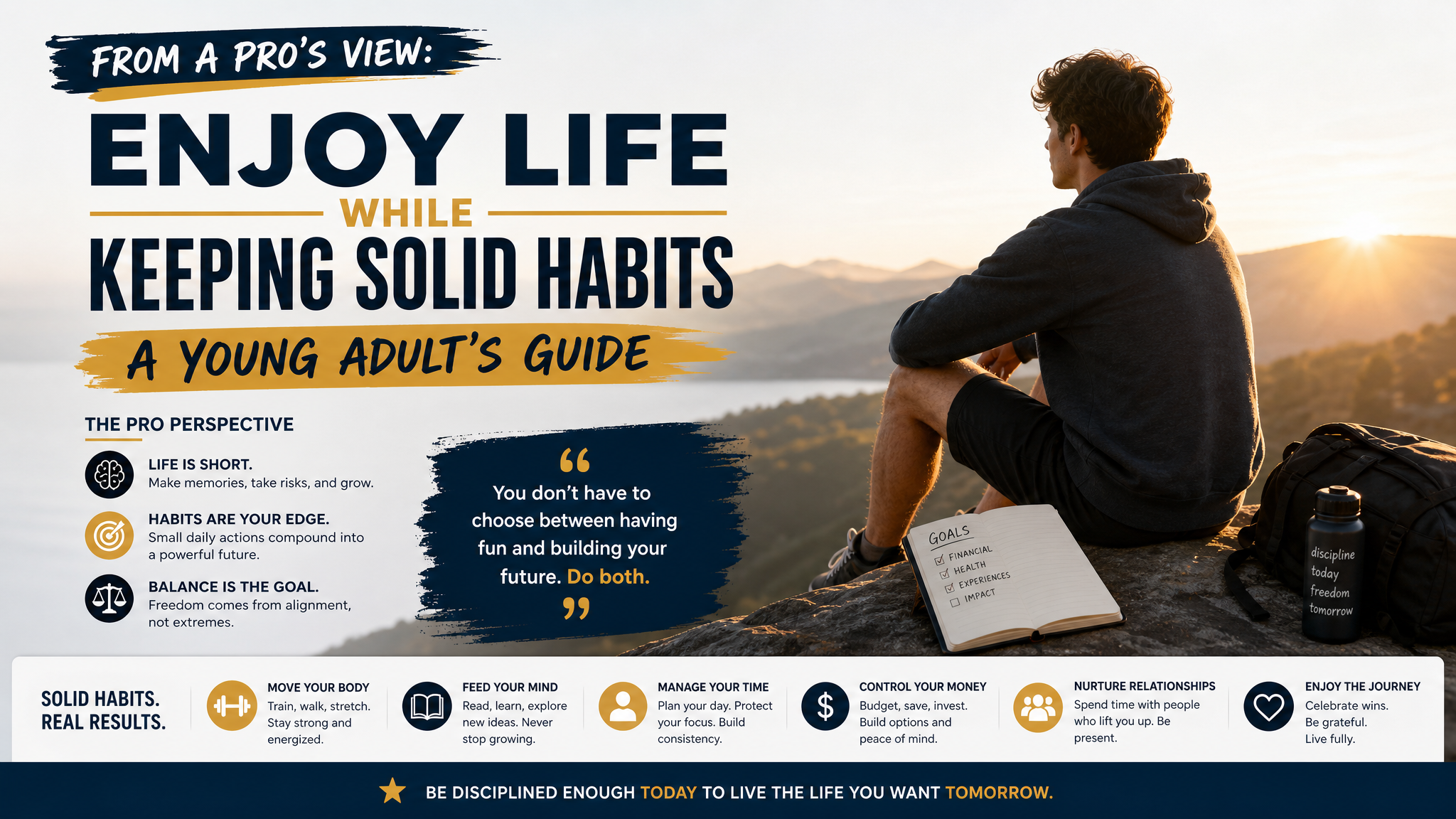
Why rigid habits fail young adults
The biggest mistake is thinking you need to wake up at 5 a.m. and cold shower. No. For most of us in our twenties, life is unpredictable. You might have a late night, a spontaneous outing, or just an awful hangover.
Habitly lets you set flexible routines. You can choose "morning" or "evening" blocks instead of fixed times. That's a game changer. You can check off "exercise" at 9 p.m. if that's when you finally drag yourself to the gym. The streak still counts.
The trick is to define a tiny habit that's so easy you can do it even on a bad day. One push-up. Reading one page. Meditating for one minute. This lowers the barrier. Habitly's streak feature then rewards you for showing up, not for overachieving.
Realistic scenarios that actually work
Scenario 1: The social butterfly
You go out three nights a week. You're hungover the next morning. Traditional habit apps shame you into quitting. With Habitly, you can set a "recovery" routine: drink water, take vitamins, do a 5-minute stretch. It's still a routine. It still builds consistency. You can even log it as a streak.
Scenario 2: The chaotic creative
You write, code, or design. Your workflow is messy. Some days you're inspired; others you're blocked. Instead of forcing yourself to "work for 2 hours," set a habit of "open the app/notebook and write one sentence." Habitly's streaks let you chain those small seeds together. Before you know it, you've written a chapter or shipped a feature.
Scenario 3: The health rollercoaster
You want to eat better, but ordering food is too convenient. Make your habit "eat one vegetable a day." Not "clean eating." You get that streak, and it's a win. Habitly's visual progress helps you see that you're doing more than you think.
The tradeoffs: what you lose by being flexible
Okay, real talk. When you go too flexible, the habit can lose its bite. If you allow yourself to do just one push-up, you might never do ten. For some people, that's fine. For others, they need a higher baseline to actually grow.
Habitly lets you set thresholds. You can say "must do at least 5 push-ups" for the streak to count. That's a good middle ground. But you have to be honest with yourself: are you someone who needs a hard number, or someone who gets paralyzed by a hard number?
Another tradeoff: the app only tracks habits you set. It doesn't integrate with fitness trackers or calendars natively. If you want automatic logging, you'll need an alternative. For manual check-offs, it's smooth.
How to decide if Habitly is for you
Ask yourself: do you prefer a strict schedule or a loose structure? If you thrive on exact times and guilt-tripping reminders, get something like Streaks. If you want a companion that celebrates your small wins without judgment, Habitly is the better fit.
Also, consider your lifestyle. If your week is unpredictable, the flexible blocks are gold. If you're a student with a fixed timetable, the freedom might feel unnecessary.
Final thought: don't make habits a chore. You're young. You should be having fun. The point is to build a system that supports the life you actually want, not the one you think you should have. Habitly helps with that—if you let it be gentle.
Comments
Leave a Comment